
Mastering Fiberglass Boat Cleaning Techniques: A Complete Step-by-Step Guide
Keeping your fiberglass boat in top shape isn't just about aesthetics—it's essential for its longevity and performance on the water. Fiberglass, with its durable gelcoat finish, can withstand the elements, but without regular cleaning, it falls prey to salt, grime, oxidation, and UV damage. In this guide, we'll walk you through proven fiberglass boat cleaning techniques that are straightforward, effective, and tailored for DIY enthusiasts. Whether you're prepping for a summer sail or winter storage, these tips will help your vessel shine like new.
Why Regular Cleaning Matters for Your Fiberglass Boat
Fiberglass boats are popular for their lightweight strength and low maintenance, but the gelcoat—the glossy outer layer—needs attention to prevent dulling and chalking. Saltwater exposure, bird droppings, algae, and sun rays accelerate wear, leading to costly repairs if ignored.<grok:render type="render_inline_citation"><argument name="citation_id">10</argument></grok:render> Regular cleaning removes contaminants before they etch into the surface, preserving the boat's value and ensuring safe, enjoyable outings.
Think of it like maintaining your car: just as you might use a directory like LocalWashAdvisor to find local car washes and coupons, scouting marine detailing services can complement your efforts. But mastering these techniques empowers you to handle most jobs yourself, saving time and money.
Essential Tools and Materials for Fiberglass Cleaning
Before diving in, gather the right supplies to avoid damaging the gelcoat. Here's a curated list based on expert recommendations:
- Hose with adjustable nozzle: For thorough rinsing without high pressure that could scratch.
- Two 5-gallon buckets: One for soapy water, one for rinsing (the two-bucket method prevents reapplying dirt).<grok:render type="render_inline_citation"><argument name="citation_id">10</argument></grok:render>
- pH-balanced boat soap: Avoid household detergents that strip protective wax.
- Soft-bristle brushes and microfiber mitts: Gentle on gelcoat; use medium-bristle for decks.
- Oxidation remover or rubbing compound: For tackling chalky buildup.
- Marine polish and wax: To restore shine and add UV protection.
- Microfiber towels or chamois: For streak-free drying.
- Protective gear: Gloves, eye protection, especially with stronger cleaners.
Invest in marine-grade products—they're formulated to handle saltwater without harming fiberglass. Budget-friendly kits start around $50, making this accessible for weekend warriors.
Step-by-Step Guide to Cleaning Your Fiberglass Boat
Follow this proven process for a deep clean. Aim to do a full wash after every few uses, with deeper maintenance seasonally.

Step 1: Preparation and Initial Rinse
Start on a cool, overcast day to prevent cleaners from drying too quickly. Park your boat on a trailer or in a slip away from direct sun.
Rinse the entire boat from top to bottom with fresh water using a gentle hose spray. This removes loose sand, salt, and debris, making the wash easier and preventing scratches.<grok:render type="render_inline_citation"><argument name="citation_id">9</argument></grok:render> Pay extra attention to the hull's waterline, where algae and barnacles accumulate. If trailered, elevate it for better access.
Pro Tip: Cover vents, electronics, and upholstery with plastic sheeting to protect from splashes. This prep step alone can cut cleaning time in half.
Step 2: Washing the Surfaces
Mix boat soap in one bucket per instructions—typically a capful per gallon. Dip your microfiber mitt in the soapy water, then clean in small 2x2 foot sections, working top-down so dirt flows away.<grok:render type="render_inline_citation"><argument name="citation_id">10</argument></grok:render>
For the hull: Use a soft brush to gently scrub, focusing on stubborn spots like exhaust stains. Rinse the mitt in the clean bucket frequently to avoid grinding grit back onto the surface.
Deck areas: Opt for a soft-bristle brush on non-skid surfaces to lift embedded dirt without dulling the texture. For mildew-prone spots, apply a dedicated remover first, let it sit, then scrub lightly.
Interior fiberglass panels: Wipe with a diluted soap solution using a microfiber cloth, avoiding excess water that could seep into seams.
Rinse thoroughly after each section to prevent soap residue, which attracts more grime. This two-bucket technique is a game-changer for maintaining that showroom gleam.
Step 3: Addressing Oxidation, Stains, and Tough Grime
Oxidation appears as a chalky, dull film—common after years of exposure. Assess severity: light haze needs polish; moderate to heavy requires rubbing compound.<grok:render type="render_inline_citation"><argument name="citation_id">10</argument></grok:render>
Apply compound to a damp cloth or buffer pad, working in circular motions on 2x2 foot areas. Let it haze, then buff off with a clean microfiber towel. Follow with polish to smooth micro-scratches and enhance shine.
For waterline stains or barnacles: Use a mild acid-based hull cleaner on a dry hull (test a small area first). Spray, wait 1-2 minutes, scrub gently, and rinse immediately. Wear gloves—acids are effective but caustic.<grok:render type="render_inline_citation"><argument name="citation_id">11</argument></grok:render>
Greasy spots from engines or docks? Degrease with a non-abrasive cleaner like a citrus-based formula, then rinse.
Safety Note: Always work in well-ventilated areas and neutralize acids with baking soda if needed.
Step 4: Drying and Protecting with Wax
Don't let it air-dry—water spots form quickly on gelcoat. Use microfiber towels to pat dry, or a leaf blower for hard-to-reach spots like railings and cleats.<grok:render type="render_inline_citation"><argument name="citation_id">10</argument></grok:render>
Once dry, apply marine wax with an applicator pad in thin, even coats. Let it haze (10-15 minutes), then buff to a mirror finish. Wax seals pores, repels water, and blocks UV rays—reapply every 3-6 months or when water stops beading.
For extra protection, consider a sealant over wax for longer-lasting results, especially in harsh marine environments.
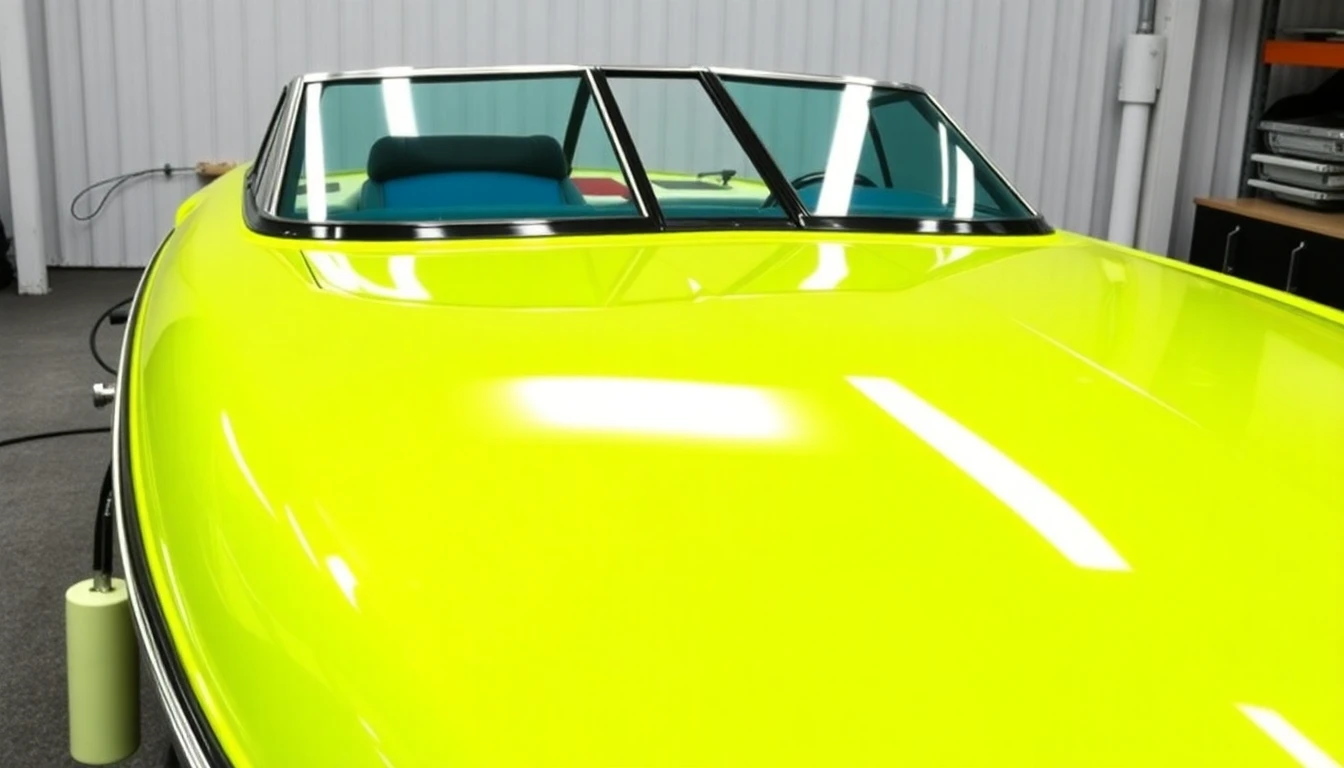
Cleaning Specific Areas: Hull, Deck, and Interior
The Hull: Battling Waterline Woes
The hull takes the brunt of marine growth. After rinsing, focus on the waterline with a hull-specific cleaner. For antifouling paint, avoid abrasives that strip it. If barnacles persist, a plastic scraper followed by acid wash works wonders, but inspect for hull damage.<grok:render type="render_inline_citation"><argument name="citation_id">7</argument></grok:render> Dry thoroughly to prevent moisture trapped under growth.
The Deck: Non-Skid and Smooth Surfaces
Non-skid decks hide dirt but breed mildew. Use a stiff brush with soap, then a mildew remover for black spots. Rinse well to avoid slippery residues. For smooth gelcoat decks, stick to soft tools—harsh scrubbing erodes the finish over time.
Tip: Add baking soda to soap for a mild abrasive on tough deck grime without scratching.
Interior Fiberglass: Upholstery and Cabins
Wipe down bulkheads and cabinets with mild soap, focusing on fingerprints and spills. For head compartments, use a bathroom cleaner safe for fiberglass showers. Ventilate to dry quickly, preventing mold. Avoid soaking cushions—spot clean instead.

Common Mistakes to Avoid in Fiberglass Boat Cleaning
Even seasoned boaters slip up. Here's what not to do:
- Skipping the rinse: Leads to scratching as dirt abrades during washing.<grok:render type="render_inline_citation"><argument name="citation_id">11</argument></grok:render>
- Using household cleaners: Dish soap strips wax, exposing gelcoat to faster oxidation.
- High-pressure washing: Can etch or delaminate fiberglass—stick to low PSI.
- Ignoring drying: Spots and streaks invite corrosion.
- Overlooking wax: Without it, cleaning becomes more frequent and intensive.
- Rushing oxidation removal: Apply compound too aggressively, and you'll thin the gelcoat.
By avoiding these, you'll extend your boat's life and reduce effort in future cleans.
Maintenance Tips for Long-Term Gelcoat Protection
Cleaning is just the start—prevention is key. Rinse after every outing to flush salt. Store under cover to shield from sun and rain. Monthly washes keep buildup at bay, while annual deep cleans restore like-new condition.
Test wax integrity: Spray water—if it sheets off flat, re-wax. For trailered boats, wash post-launch to remove road grime. In winter, apply a heavy sealant before storage.
Eco Tip: Opt for biodegradable soaps to protect waterways. If DIY feels overwhelming, professional detailing services offer thorough cleans, much like specialized car washes.
Invest in UV protectants for sunny climates. With consistent care, your fiberglass boat can look pristine for decades.
Final Thoughts on Fiberglass Boat Care
Mastering these cleaning techniques transforms boat maintenance from a chore into a rewarding ritual. Your fiberglass vessel deserves the effort—after all, a clean boat means more time on the water and less worry about wear. Grab your supplies, follow these steps, and watch your investment gleam. Happy boating!
(Word count: 1,856)
Find Local Car Washes
Discover trusted car washes in your area and save with exclusive coupons on LocalWashAdvisor.
Browse Car WashesThis article was created by Shine, our AI Car Care Advisor, to provide helpful information about car care and local services.
Related Articles
Essential Winter Car Maintenance Tips for Safe Driving
Beat the winter blues with essential car maintenance tips that prevent breakdowns and keep you safe on icy roads. Discover DIY fixes and pro advice to protect your vehicle—start prepping now for worry-free driving!
Ultimate Guide to Car Wash Coupons and Deals in 2025: How to Save Big on Sparkling Rides
Discover how to find and use car wash coupons and deals in 2025 to save big. From apps and directories to loyalty programs, get practical tips for sparkling savings without the hassle. Perfect for budget-conscious drivers!
Self-Service vs Automatic Car Wash: Which Saves More Money in 2026?
Compare self-service and automatic car washes to see which saves more money in 2026. Break down costs, tips, and factors for budget-friendly cleaning. Discover if DIY or convenience wins for your wallet.