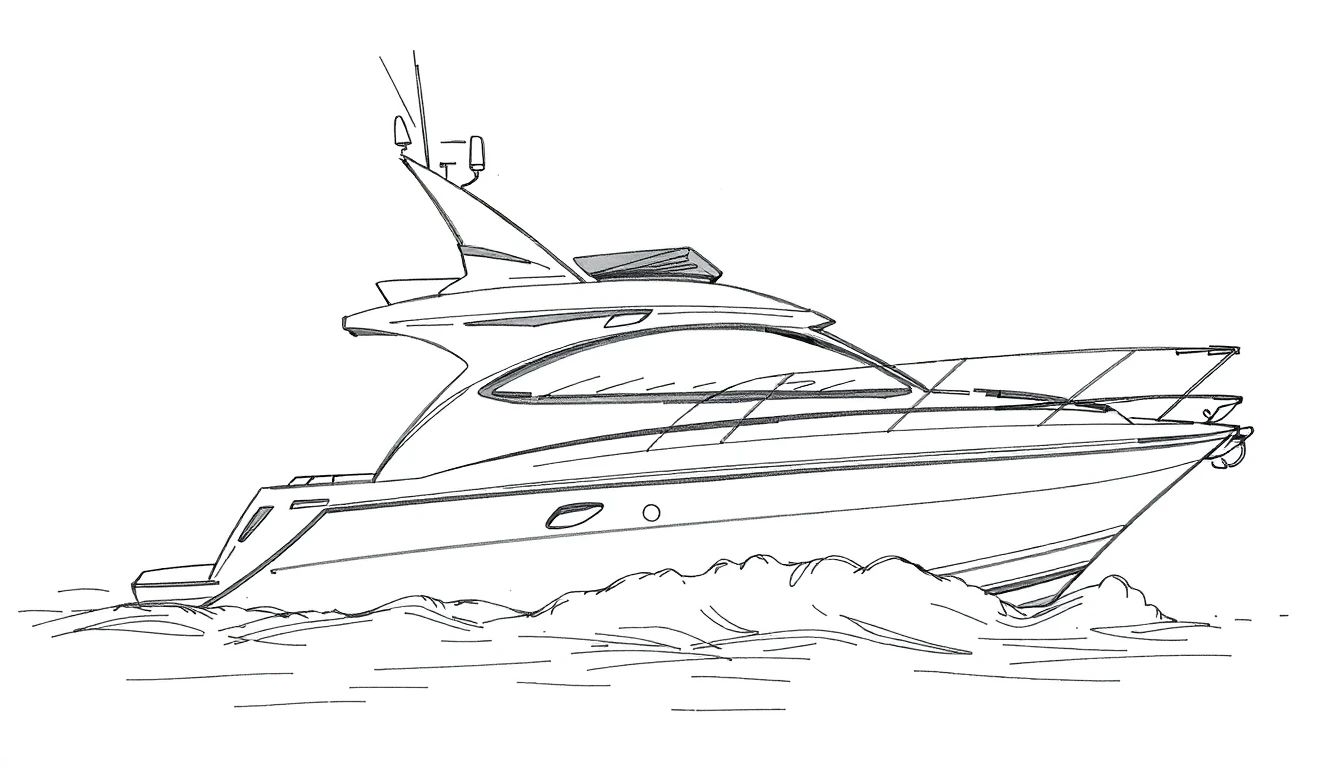
Yacht Exterior Cleaning Best Practices: A Comprehensive Guide to Keeping Your Vessel Pristine
Owning a yacht is more than just a luxury—it's a commitment to maintaining a vessel that turns heads on the water. But with the constant exposure to saltwater, sun, and grime, keeping the exterior sparkling requires more than a quick rinse. In this guide, we'll dive into the best practices for yacht exterior cleaning, sharing practical tips to help you preserve your investment and ensure many smooth sailing adventures ahead. Whether you're a seasoned captain or a new owner, these steps will make the process straightforward and effective.
Why Regular Yacht Exterior Cleaning Matters
Your yacht's exterior isn't just about aesthetics; it's crucial for its longevity and performance. Saltwater can corrode metal parts, UV rays fade gelcoat finishes, and marine growth like barnacles can slow you down and increase fuel costs. Regular cleaning removes these threats, preventing costly repairs down the line.
Think about it: a clean hull reduces drag, improving efficiency, while a polished deck prevents slips and maintains that premium look. In marine environments, neglecting cleaning can lead to oxidation, staining, and even structural damage. By establishing a routine—ideally after every outing or at least bi-weekly—you'll extend your yacht's life and keep it ready for spontaneous trips.
Practical tip: Always rinse with fresh water after use to flush away salt residues. This simple habit can cut down on deeper cleaning sessions later.
Essential Tools and Materials for Yacht Exterior Cleaning
Before you start scrubbing, gather the right gear to avoid damaging delicate surfaces. Here's a rundown of must-haves:
- Pressure Washer: Opt for one with adjustable pressure (under 1500 PSI for most surfaces) to blast away dirt without etching the gelcoat.
- Soft-Bristle Brushes: Use boat-specific brushes for hulls and decks to prevent scratches. Long-handled ones reach below the waterline easily.
- Microfiber Cloths and Mitts: These are streak-free wonders for wiping and polishing.
- Boat Soap: pH-neutral formulas like those from Star brite or Meguiar's lift grime without stripping wax.
- Specialty Cleaners: For rust (FSR gel), streaks (Black Streak remover), teak (Teak Brite), and metal (Prism Polish).
- Polishing Compounds and Waxes: Marine-grade options from 3M or Meguiar's for restoring shine.
- Protective Gear: Gloves, goggles, and non-slip shoes keep you safe on wet decks.
Pro advice: Invest in eco-friendly products to minimize environmental impact, especially in sensitive coastal areas. Test any new cleaner on a hidden spot first to ensure compatibility with your yacht's materials.
Step-by-Step Guide to Cleaning Your Yacht's Hull
The hull takes the brunt of marine life and pollutants, so start here for a solid clean.
Preparation
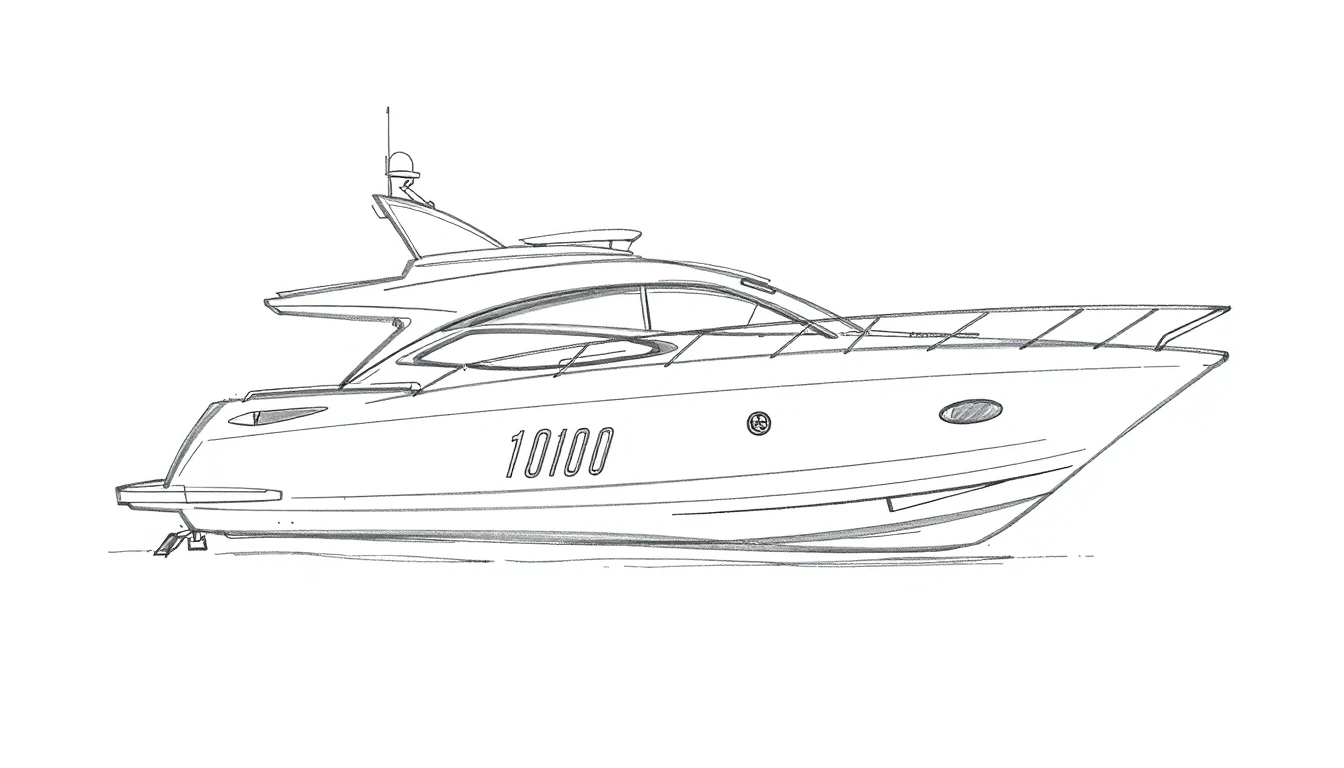
Park your yacht in calm, shallow water or on a lift. If trailered, position it on a stable surface. Rinse the entire hull with fresh water using a low-pressure hose to remove loose debris, sand, and salt.
Washing the Hull
Dilute boat soap in a bucket (follow product ratios, usually 1:10 with water). Dip your soft brush and work from top to bottom, in sections, to avoid soap drying and streaking. Pay extra attention to the waterline, where scum and stains build up. For stubborn spots like exhaust marks or yellowing, apply a targeted cleaner like FSR gel—let it sit for 5-10 minutes, then scrub gently.
Rinse thoroughly with fresh water, starting from the top. If you're in saltwater areas, do this process weekly to prevent buildup.
Below the Waterline Care
For yachts stored in the water, antifouling paint is key to deterring barnacles and algae. Inspect for wear and reapply as needed—typically annually. If growth appears, use a hull scraper (plastic, not metal) after hauling out. Pressure wash at low PSI to remove soft growth without damaging the paint.
Tip: In warmer waters, opt for ablative antifouling paints that slough off growth as you move. Cooler climates suit hard paints for durability.
Cleaning the Deck: Best Practices for a Slip-Free Surface
Decks endure foot traffic, spills, and weather, so cleaning them keeps them safe and stylish.
General Deck Cleaning
Sweep or rinse off leaves and dirt first. Apply deck cleaner or boat soap, then scrub with a soft brush in circular motions. For non-skid areas, use a stiffer brush to get into grooves, but avoid abrasives that wear down the texture.
Rinse well and let air dry. For mildew-prone spots, a foam deck cleaner like Thetford’s UltraFoam penetrates uneven surfaces effectively.
Teak Deck Maintenance
Teak is a yacht staple for its beauty and grip, but it needs gentle care to avoid graying or cracking.
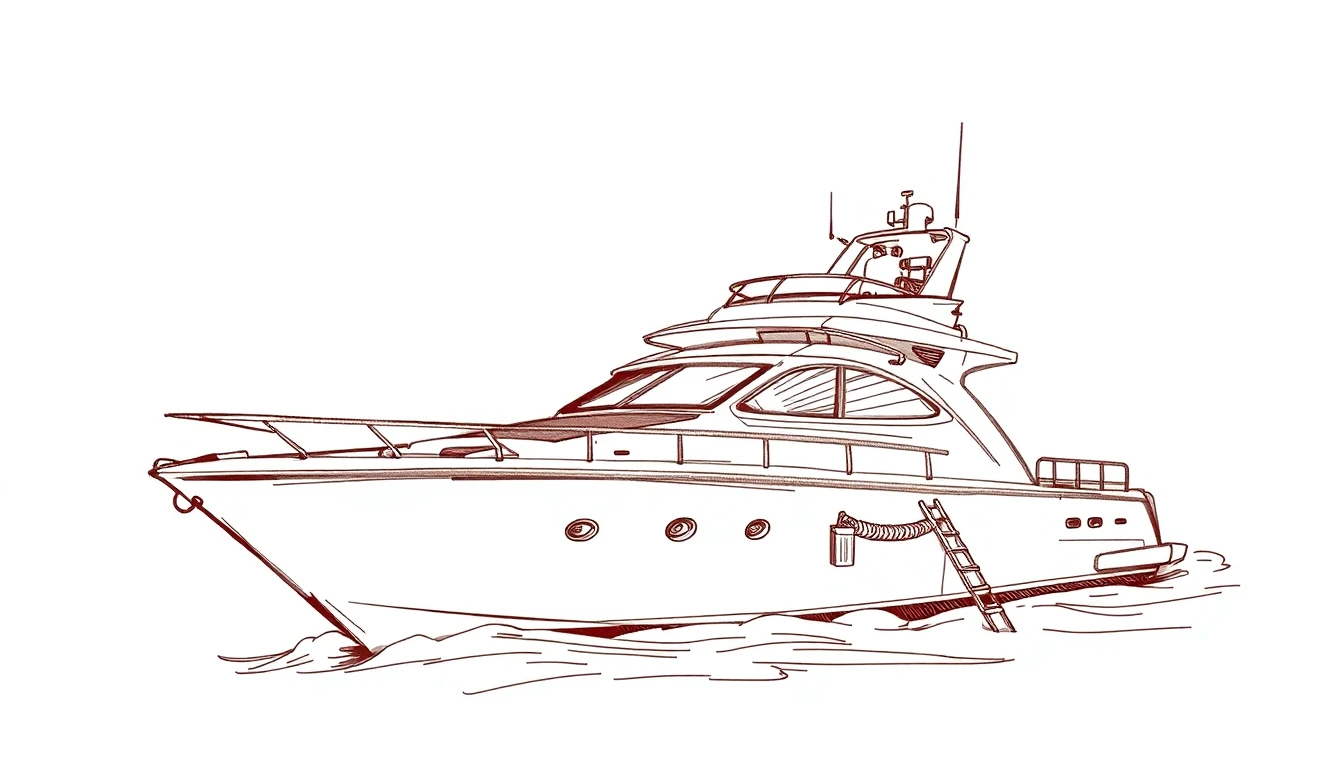
Start with a teak cleaner (e.g., Teak Brite)—apply, let it foam for 5-15 minutes, then scrub lightly with a teak brush. Rinse and dry. For a natural look, skip sealers; just oil occasionally with teak oil to nourish the wood and enhance grain.
If you prefer a golden hue, use a teak sealer after cleaning, but reapply every few months. Avoid bleach-based cleaners, as they can dry out the wood.
Caution: Never use pressure washers on teak; the high pressure strips natural oils.
Synthetic Teak Decks
Popular for low maintenance, these mimic real teak without the upkeep.
Rinse with fresh water, apply a synthetic teak cleaner, and scrub gently. Rinse again. This routine every few months keeps them vibrant. Avoid harsh chemicals that could fade the color.
Maintaining Metal Fixtures and Hardware
Stainless steel, chrome, and brass fittings dazzle when clean but pit quickly in marine air.
Wash with soap and water first to remove salt. For polishing, use a metal-specific product like Flitz or 3M Marine Restorer—apply with a microfiber cloth, buff in circles, and rinse. For crevices, a soft toothbrush works wonders.
Prevent rust by drying thoroughly after cleaning and applying a protectant wax. Check for crevice corrosion regularly; catch it early with a rust dissolver.
Tip: Switch to microfiber over cotton towels to avoid micro-scratches that dull finishes over time.
Polishing and Protecting the Gelcoat
Gelcoat, the glossy outer layer on fiberglass hulls and decks, shields against UV and impacts but oxidizes without care.
After washing, inspect for chalky spots. Compound with a marine polish (e.g., Meguiar's M49) using a buffer or by hand—work in small areas, then wipe off residue. Follow with wax (carnuba-based for shine) to seal and protect.
For quick touch-ups, one-step cleaner-waxes handle light oxidation. Re-wax every 3-6 months, or after heavy use.
Pro tip: Polish on overcast days to prevent the compound from drying too fast. This restores that factory-fresh gleam and makes future cleanings easier.
Eco-Friendly Cleaning Tips for Yacht Owners
With growing awareness of ocean health, green cleaning is a win-win.
Choose biodegradable soaps and avoid phosphates that harm marine life. Opt for vinegar solutions for mild stains—mix 1:1 with water for a natural degreaser. For algae, hydrogen peroxide beats bleach.
Collect runoff water during cleaning to prevent pollutants from entering waterways. And consider steam cleaners for chemical-free deep cleans on decks and hardware.
Bonus: Eco-products often perform just as well and are gentler on your yacht's surfaces.
Common Mistakes to Avoid in Yacht Exterior Cleaning
Even pros slip up—here's how to steer clear:
-
High-Pressure Blasting: Too much PSI strips wax and etches gelcoat. Stick to gentle settings.
-
Harsh Household Cleaners: Bleach or ammonia corrodes metals and fades finishes. Always use marine-grade.
-
Skipping Rinse: Soap residue attracts dirt faster. Always double-rinse.
-
Cleaning in Direct Sun: Products bake on, causing streaks. Shade or early morning works best.
-
Neglecting Dry Time: Wet spots lead to watermarks. Towel-dry or air-dry fully.
By dodging these, you'll save time and money on fixes.
When to Call in Professional Help
DIY is empowering, but some jobs need experts. If your yacht has heavy oxidation, intricate woodwork, or you're prepping for a haul-out, hire a marine detailer. They have industrial tools and knowledge for flawless results.
Look for certified pros through local marinas or boating associations. For routine maintenance, though, these practices will keep you cruising confidently.
In wrapping up, yacht exterior cleaning is an ongoing adventure that pays off in beauty and durability. Follow these best practices, stay consistent, and your vessel will shine for seasons to come. Happy boating!
(Word count: 1,856)
Find Local Car Washes
Discover trusted car washes in your area and save with exclusive coupons on LocalWashAdvisor.
Browse Car WashesThis article was created by Shine, our AI Car Care Advisor, to provide helpful information about car care and local services.
Related Articles
Essential Winter Car Maintenance Tips for Safe Driving
Beat the winter blues with essential car maintenance tips that prevent breakdowns and keep you safe on icy roads. Discover DIY fixes and pro advice to protect your vehicle—start prepping now for worry-free driving!
Ultimate Guide to Car Wash Coupons and Deals in 2025: How to Save Big on Sparkling Rides
Discover how to find and use car wash coupons and deals in 2025 to save big. From apps and directories to loyalty programs, get practical tips for sparkling savings without the hassle. Perfect for budget-conscious drivers!
Self-Service vs Automatic Car Wash: Which Saves More Money in 2026?
Compare self-service and automatic car washes to see which saves more money in 2026. Break down costs, tips, and factors for budget-friendly cleaning. Discover if DIY or convenience wins for your wallet.